Men
Trinity v Leopards | Eliminator 1 Stats Breakdown
8 hrs

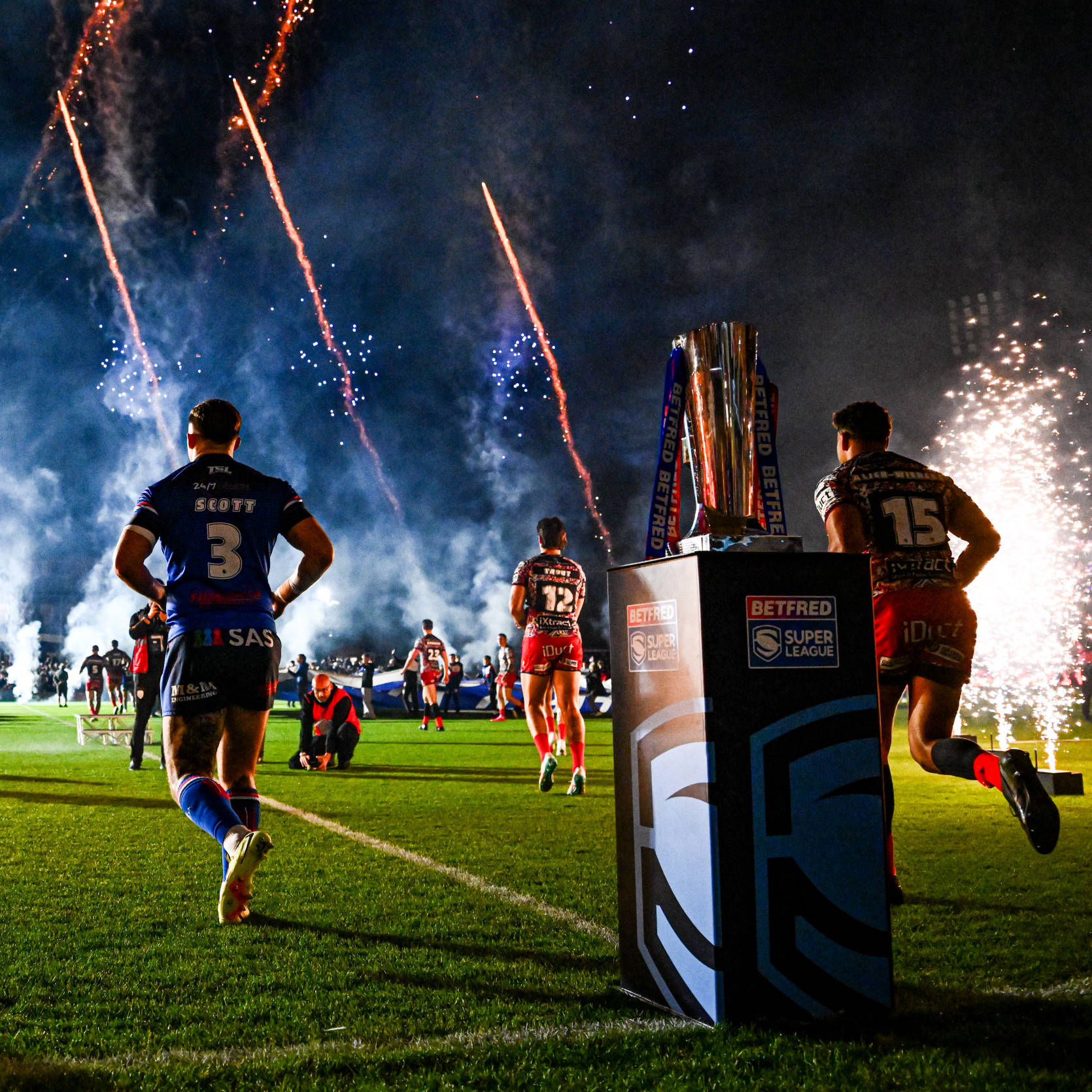
Wakefield Trinity booked their place in the Betfred Super League Semi-Finals with a 26-16 victory over Leigh Leopards in the this year's Eliminators.
But which numbers had the biggest impact on the result? We take a look at the key stats behind Trinity's historic win.
Although possession and territory were fairly even on Friday Night, Daryl Powell's side were more effective with the ball and stronger in defence, which helped them secure a 26-16 Play-Off victory over Adrian Lam's Leopards.
Possession finished only 53% to 47% in Wakefield’s favour, but Trinity transformed that relatively narrow advantage into 1,954 running metres compared with Leigh’s 1,498. They also led 1565 to 1207 in gain line metres and 657 to 497 after contact, while averaging 50 metres per set against Leigh’s 43.
Much of that difference came from Wakefield’s outside backs. Their back three combined for 499 metres against Leigh’s 341, with Tom Johnstone setting the standard individually with a game-high 238 metres from 24 carries. Cameron Scott added 184 metres from centre and Lachlan Walmsley 166, giving Trinity a consistent route out of their own end.
But Wakefield’s ability to sustain that momentum when their bench entered the contest was equally important.
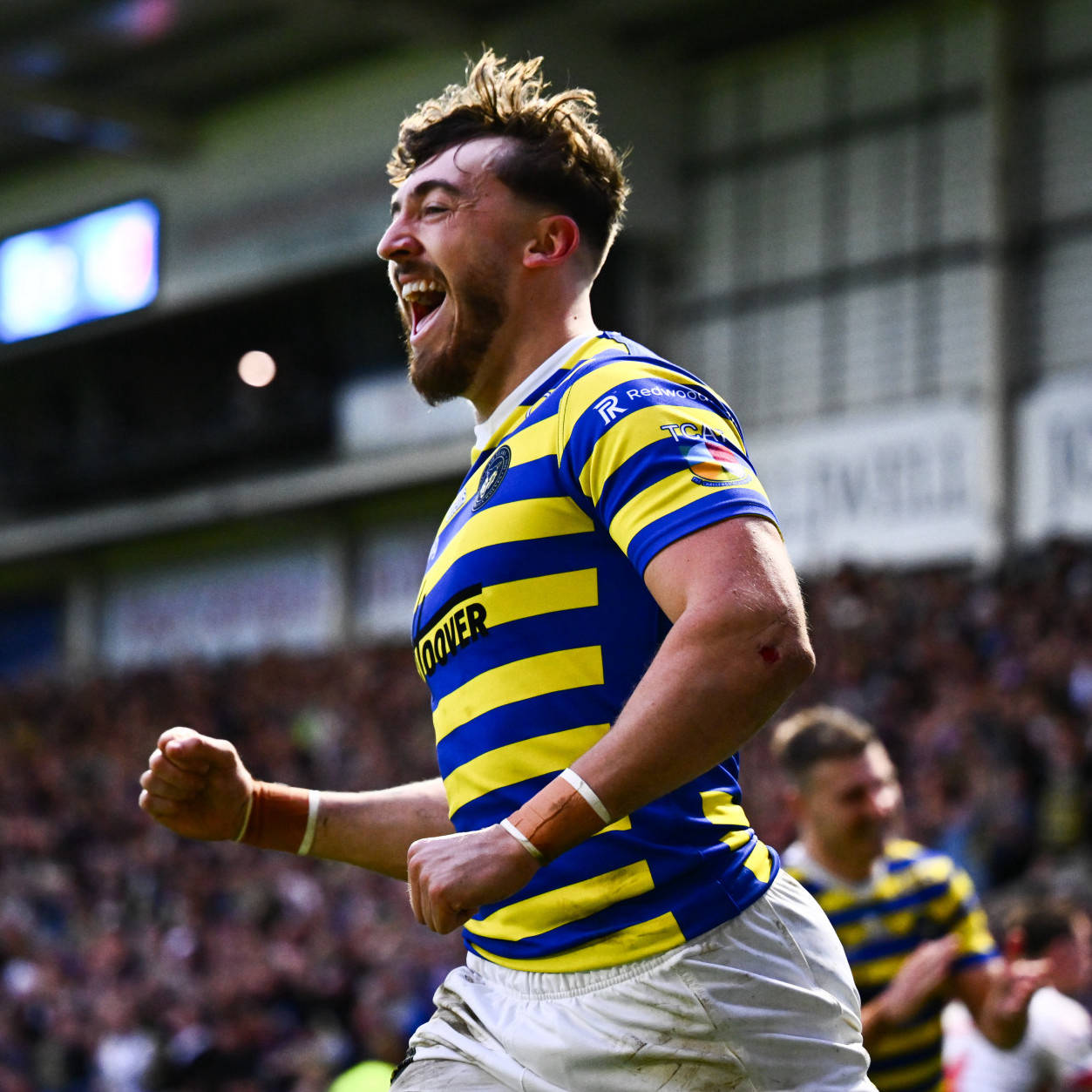
Their interchange generated 435 metres to Leigh’s 205, with Caius Faatili particularly destructive. The prop amassed 153 metres from just 12 carries in 33 minutes, including 67 post-contact metres, broke 10 tackles and scored a try. Caleb Hamlin-Uele was similarly effective, making 142 metres from 14 carries.
Leigh had their own significant individual threats. Lachlan Lam was comfortably the most productive running half, accumulating 185 metres from 19 carries compared with opposite number Mason Lino’s 70. Lam also crossed for a try, supplied a try assist and made two line breaks. Joe Ofahengaue provided much of Leigh’s punch through the middle, recording 178 metres and a game-high 78 post-contact metres.
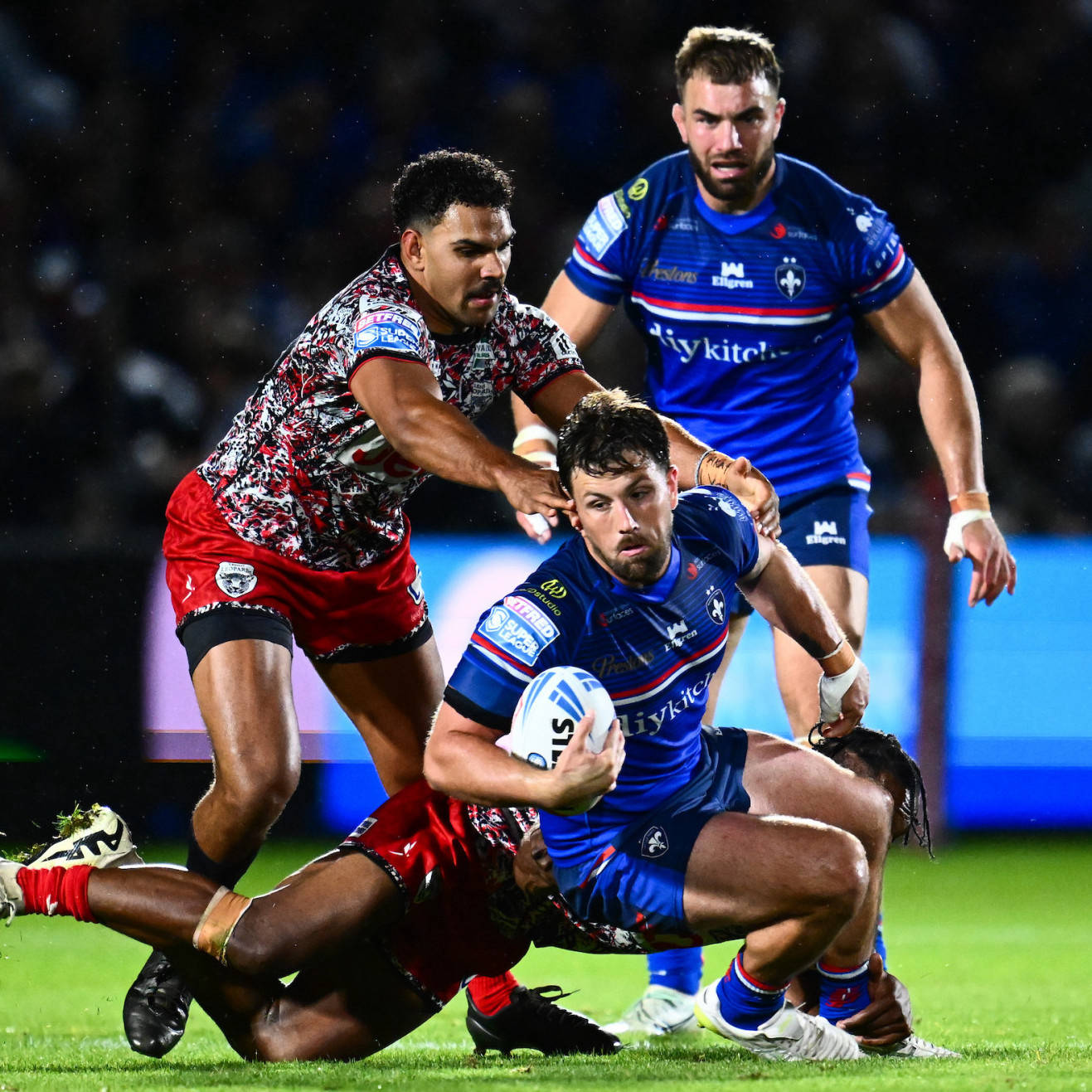
The major separation between the teams, however, came without the ball. Wakefield missed only 18 tackles compared with Leigh’s 51, giving Trinity a 91.99% effective tackle rate to the Leopards’ 82.64%. Wakefield also recorded 30 dominant tackles to Leigh’s nine.
No player embodied that resilience better than Tyson Smoothy. The hooker produced a remarkable 57 tackles without a single miss, with only one ineffective effort, and added a try at the other end. By comparison, Leigh’s starting hooker Liam Horne made 35 tackles with three misses, while replacement Edwin Ipape missed five of his 22 attempts.
There was also an important change in Wakefield’s ball control. Having completed only 66% of their sets before half-time, they surged to 94% after the break, with just one incomplete set in the second half. That provided the platform to turn a 12-6 interval advantage into victory.
The contest was not entirely one way. Leigh generated sustained periods of attacking threat, particularly during the second half, but Wakefield repeatedly regained the initiative.
Trinity's 17.1 expected points compared to Leigh's 11.1 overall reflects that they created the better chances and combined that with stronger defence and more effective and dominant carries to stay in control, therefore earning a deserved semi-final berth.